
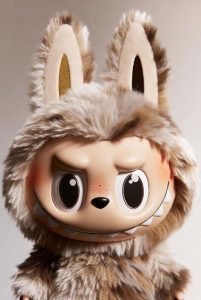
 Collectible toys have surged from niche hobby to cultural phenomenon, and one figure leading the charge is Labubu, a playful character from Hong Kong illustrator Kasing Lung, whose whimsical design in blind‑box series and limited edition drops has made it a defining collectible of the moment.
For many families, the appeal of these figures is more than decoration. They become tokens of joy, milestones of collecting, and, for parents, moments of negotiation between desire and safety. Labubu is primarily sold through the company Pop Mart, which manages its official releases and limited-edition drops. For parents seeking authentic pieces outside official Pop Mart stores, one trusted option is Labubu Australia, a regional storefront that curates genuine Pop Mart Labubu figures. But as demand grows, so do concerns over counterfeits and safe play.
As Labubu toys appear in social feeds, parenting groups, and alongside lunchbox stickers and school bag charms, mothers are joining the conversation. Their perspective adds important nuance to what might otherwise be seen as just another “trend.” This isn’t fluff. It’s about how a mother makes decisions when her child’s excitement meets her instinct to protect, and how that balance shapes what the family brings home.
From Curiosity to Concern: Why Parents Pay Attention
 When my child first asked for a Labubu toy, I didn’t know what to expect. The videos and photos were irresistible. Bright colors, whimsical smiles, mini blind boxes. What child wouldn’t be thrilled? Yet, as I dug deeper, I discovered why many responsible parents hesitate before clicking “buy.”
Regulators in countries like the United States and Australia have issued safety warnings about counterfeit Labubu dolls, often called “Lafufu,” which frequently show up online and in markets. The U.S. Consumer Product Safety Commission (CPSC) has warned that these lookalikes can be small enough to fit entirely in a child’s mouth or break apart easily, releasing pieces that pose a choking hazard.
In Australia, the Consumer Commission highlighted similar risks: some fakes have small detachable parts like eyes and hands, poor stitching, and may even contain unsafe chemicals such as lead. Parents were urged to keep suspect toys away from children.
The Challenge of Counterfeits
Counterfeit Labubu dolls are cropping up across online marketplaces and physical stores. Consumer advocacy groups have documented versions sold through large e‑commerce platforms that differ noticeably from authentic products in quality and safety.
Authorities and consumer bodies also offer tips to tell real from fake. Authentic Labubu figures usually feature specific branding, such as Pop Mart logos, exact design elements (for example, nine sharp teeth), and unique verification features like QR codes or authenticity stickers. Fakes often lack these marks, have uneven sewing, or are sold at unusually low prices.
Online security firms have also warned that some scam sites use the hype around Labubu to trick buyers into giving away financial details or sending money for products that never arrive. These operations mimic genuine storefronts and use social media ads to lure in shoppers.
Moms as Quality Inspectors
With so many variations on the market, many mothers have become de facto quality inspectors. Before ordering, they check seller reputations, read reviews, and scrutinize product photos. One parent I spoke to treats toy orders with the same scrutiny she once reserved for researching a major electronic purchase, like a smartphone with specific technical features. Her mantra: verify before you buy.
This approach matters because authenticity affects both safety and satisfaction. Genuine collectibles hold value and are designed to meet safety standards. Counterfeits, by contrast, might look similar in photos but fail under close inspection or during play.
Playtime Joy With Peace of Mind
Despite safety worries, the appeal of Labubu for kids is easy to understand. Children often create imaginative stories around small figures, use them in games with peers, or add them to backpack charms and room displays. These moments offer joy and social connection, which many mothers see as valuable. But that joy blossoms best when it’s paired with careful decisions about what simply looks cute versus what is truly safe.
Parents often share tips within their communities. Some suggest setting aside the smallest or potentially breakable pieces for display instead of play for very young children. Others emphasize buying from reliable retailers or official releases to minimize risk. These shared strategies help families enjoy the trend together without unnecessary worry.
READ ALSO: Balancing Motherhood with a Career in Hazardous Environments
Conclusion: Finding Balance
The Labubu craze shows how modern parenting intersects with trends, commerce, and child safety. Mothers today juggle research, seller verification, and toy safety checks with the same thoughtfulness they might apply to larger purchases. By choosing trusted sellers and paying attention to authenticity markers, parents can protect their children and still share in the delight of play. Whether a figure comes from a specialty retailer or a dedicated site like Labubu Australia, making mindful choices ensures both fun and confidence.