
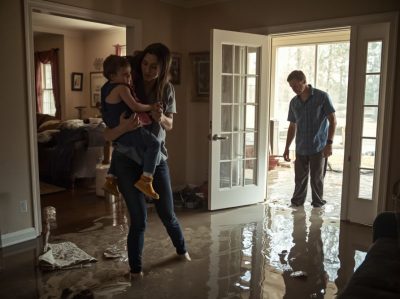
 Floodwater can expose families to electrical hazards, contaminated water, structural damage, mold growth, and dangerous debris within hours, making child safety the first priority after any household flooding event. Guidance from the Centers for Disease Control and Prevention (CDC), Federal Emergency Management Agency (FEMA), and the American Academy of Pediatrics (AAP) emphasizes that children should be kept away from affected areas until adults determine the home is safe.
Parents often face difficult decisions during cleanup, especially when balancing safety with the desire to return home quickly. While professionals offering emergency water damage restoration Atlanta may assist with drying, sanitation, and damage assessment in affected communities, families should first focus on protecting children from immediate risks while preserving essential belongings and important records.
Move Children Away from Immediate Hazards
The safest response after flooding is to remove children from areas containing standing water. Floodwater may hide sharp objects, unstable flooring, exposed nails, broken glass, or open utility hazards. Reports from the CDC explain that floodwater frequently contains bacteria, sewage, chemicals, and other contaminants that should never come into contact with children.
Electricity presents another serious concern. The U.S. Consumer Product Safety Commission advises homeowners to avoid entering flooded rooms if electrical power may still be active. Adults should wait until qualified personnel or utility providers confirm that electrical systems are safe before allowing children back inside.
If walls, ceilings, or flooring appear warped, cracked, or sagging, children should remain outside the damaged structure. Floods can weaken building materials in ways that are not immediately visible.
Protect Essential Family Items
Once everyone is safe, parents can begin protecting items their children depend on every day. Some belongings may be replaceable, while others are difficult or impossible to recover.
Medicines
Prescription medications should be moved to a clean, dry location whenever possible. The U.S. Food and Drug Administration (FDA) recommends replacing medicines exposed to contaminated floodwater unless a pharmacist confirms they remain safe to use.
School Supplies
Backpacks, laptops, textbooks, and completed schoolwork should be separated from wet materials. Electronics should remain unplugged until they have been inspected, while important assignments or certificates may be preserved by drying them carefully or creating digital copies if possible.
Clothing and Bedding
Children benefit from having clean, dry clothing during an already stressful experience. The American Red Cross recommends washing salvageable clothing with appropriate disinfecting procedures when contamination is suspected. Items heavily exposed to sewage may need to be discarded.
Important Documents
Birth certificates, insurance policies, passports, vaccination records, and school documents should be gathered as early as practical. Waterproof folders or sealed containers can help protect surviving paperwork during temporary relocation.
Understand Why Professional Drying Matters
Visible water removal is only one part of restoring a home. Moisture frequently remains inside insulation, wall cavities, flooring materials, and subfloors long after surfaces appear dry.
Research published by the Environmental Protection Agency (EPA) shows that mold can begin developing within 24 to 48 hours under favorable conditions. Young children, older adults, and individuals with asthma or allergies may be more sensitive to mold exposure.
Professional drying equipment, moisture detection tools, and sanitation procedures help reduce the risk of hidden moisture remaining inside building materials. While restoration cannot eliminate every risk immediately, proper drying significantly lowers the likelihood of ongoing microbial growth.
Create Safe Temporary Routines
Flood recovery often disrupts daily schedules, which can be especially difficult for young children. Maintaining familiar routines helps reduce anxiety during periods of uncertainty.
- Keep regular meal and bedtime schedules whenever possible.
- Store favorite comfort items in clean, dry bags.
- Maintain access to necessary medications.
- Communicate with schools regarding temporary absences.
- Identify safe indoor play areas away from cleanup activities.
The American Academy of Pediatrics notes that children often cope better with disasters when parents provide calm, honest explanations that match their age and level of understanding.
Document Damage Carefully for Insurance
Insurance claims become easier when damage is thoroughly documented before cleanup progresses too far. The Insurance Information Institute recommends photographing every affected room, damaged belongings, structural damage, and standing water before major removal work begins.
Parents should also keep:
- Receipts for emergency purchases.
- Temporary housing expenses.
- Cleaning supply costs.
- Professional inspection reports.
- Communication records with insurers.
Organized records help demonstrate losses and may simplify reimbursement during the claims process.
Know When a Home Is Still Unsafe
Parents may feel pressure to return home quickly, especially when children want familiar surroundings. However, several warning signs indicate that a home may require additional inspection before occupancy.
- Persistent sewage odors.
- Visible mold growth.
- Soft or sagging floors.
- Water-stained ceilings.
- Exposed electrical wiring.
- Gas odors.
- Walls that remain damp for several days.
The CDC and FEMA advise delaying reentry if structural safety remains uncertain or if contamination has not been fully addressed.
Before children return to their normal routines indoors, families may also want to review broader household safety measures beyond flood recovery. Taking time to child-proof your home by evaluating potential hazards such as unsafe paint, accessible chemicals, sharp furniture edges, and unsecured furniture can further reduce injury risks as the home is restored. These precautions complement flood-related repairs and help create a safer environment for children.
Support Children’s Emotional Recovery
Floods affect emotional well-being as much as physical safety. Children may become fearful during storms, experience sleep disturbances, or worry about losing personal belongings again.
Experts from the Substance Abuse and Mental Health Services Administration (SAMHSA) encourage parents to watch for ongoing behavioral changes such as withdrawal, excessive clinginess, or persistent anxiety. Most children gradually recover with reassurance, stable routines, and supportive conversations, although professional mental health assistance may be appropriate when distress continues.
Looking Ahead After Flood Recovery
Recovering from a household flood requires patience, careful planning, and a strong focus on family safety. Keeping children away from contaminated water, unstable structures, and electrical hazards should always come before cleanup. Protecting medicines, school materials, clothing, and important documents can reduce disruption while restoration work progresses. Careful documentation, thorough drying, and attention to sanitation help families rebuild with greater confidence. As homes recover, thoughtful preparation and ongoing safety checks can help create a healthier environment where children can safely return to their normal routines.

 Collectible toys have surged from niche hobby to cultural phenomenon, and one figure leading the charge is Labubu, a playful character from Hong Kong illustrator Kasing Lung, whose whimsical design in blind‑box series and limited edition drops has made it a defining collectible of the moment.
 When my child first asked for a Labubu toy, I didn’t know what to expect. The videos and photos were irresistible. Bright colors, whimsical smiles, mini blind boxes. What child wouldn’t be thrilled? Yet, as I dug deeper, I discovered why many responsible parents hesitate before clicking “buy.”